Independent Commercial Advisory
Design, strengthen, or rethink the commercial system behind the brand.
Advice for brands and their distributors on the commercial decisions that shape how they grow: go-to-market strategy, commercial policy, pricing, channels, distribution models, inventory, and market priorities.
Built on more than 20 years growing consumer brands across Europe and Latin America, at Campari, illycaffè, Ferrero, and Beiersdorf.
Experience includes



01 / Services
The brand is strong. How do you turn that potential into growth?
Brands are a lot like living organisms: as they grow, they need new stimuli and a different system from the one that got them started. The pricing, distributors, channels, and organization that brought a brand this far were built for a different stage.
The next stage usually requires different tools.
Sometimes that means radical change. More often, it means revisiting a handful of important decisions to prepare for the next cycle of growth.
This work draws on both sides of the brand–distributor relationship: building a market from within as a Country Manager, and managing distributors across more than 50 countries.
Enter new markets
Choose the markets, partners, and commercial model that make expansion profitable.
Expand internationally without making the business twice as complicated.
- Which markets to prioritize
- Agent, distributor, or local subsidiary
- Finding and selecting distributors
- Commercial framework and distribution rules
- Margins, pricing, and commercial terms
- Joint business plan and launch roadmap
Accelerate growth in existing markets
Find what is holding growth back and turn it into a commercial plan.
The market is performing below its potential.
- Where the potential is being lost
- Pricing across markets and channels
- Portfolio and SKUs
- Commercial investment and its return
- Sell-in, sell-out, and stock
- Corrective action plan
Improve distributor performance
Clear targets, the right capabilities, and one plan both sides commit to.
For brands working through distributors, and for distributors building their brand portfolio.
- Distributor capabilities and performance
- Shared targets and KPIs
- Joint business plans
- Commercial terms and incentives
- Proposals to represent a new brand
- What brands expect from a distributor
Reignite growth
Reposition, relaunch, or build the category the brand needs.
A brand that needs repositioning, a launch that needs to gain traction, or a category that needs to be built.
- Repositioning
- Launches
- Category building
- Innovation
Change the model
Prepare the market and the organization for the next stage.
Take back a market managed by a distributor, or rethink the commercial organization.
- Distributor to local subsidiary
- Commercial organization
- Who decides what

02 / Experience
I know these decisions
because I’ve had to make them.
Country Manager, Regional Director, and Brand Manager across Europe and Latin America, primarily in spirits, coffee, and confectionery.
Two examples.
Campari Group — France · Country Manager
Establishing Aperol Spritz as France’s #1 aperitif.
More than 5× business growth over eight years
Eight years leading the French business · 2013–2021 · From distributor to local subsidiary
The context
France was Campari International’s most strategic market, and the business ran through a third-party distributor, RFD. Aperol had started to grow. Accelerating it meant working on positioning, distribution, activation, investment, and execution at the same time. My job was to set that direction and keep the Campari and RFD teams pulling the same way.
One of those small decisions
In 2013, the French after-work occasion belonged to mojitos and pastis. During Aperol activations, consumers saw the bright orange color, expected something sweet, and a small sample mostly left them with the bitterness. There was a very specific adoption barrier.
We stopped handing out samples and started serving full Aperol Spritzes. Consumers needed to discover the product as it was meant to be consumed: with the right ritual, proportions, and context. Starting with a small group of Paris trendsetters, the teams took the ritual outward, one bar at a time.
It is one detail in a much bigger story, built by many people over several years. It shows where results usually come from: finding where potential is being lost, and correcting the small decisions that, added up, change the outcome.
In parallel
We launched Riccadonna Prosecco and helped build the category in a market dominated by Champagne and domestic wines.
We repositioned Grand Marnier from the kitchen to cocktails and the bar.
The structural decision
I played an active role in building the case for moving from the distributor model to a local subsidiary, from the market analysis to the scenarios presented to the board. The board approved the acquisition, and Campari France was created.
illycaffè — Europe & Latin America · Regional Director
More than 50 markets.
All distributor-led.
More than 2× growth over five years.
The context
More than 50 markets managed by very different distributors, from entrepreneurs to large established companies.
The challenge was to grow the brand while maintaining consistency in positioning, pricing, and execution, even though each market was managed by an independent partner.
Building the system
I led distributor performance and joint business planning and introduced a regional pricing framework to create greater consistency across markets.
The objective was not to manage every distributor in the same way. It was to establish common rules and enough visibility to make better decisions market by market.
One of those small decisions
In the Baltics, we found a partner willing to experiment. The market became a testing ground for new ideas: try, learn quickly, and scale what worked.
Sales grew more than fivefold.
Changing the model when it stops working
I redesigned the route to market across the Nordics, the Balkans, and Central Asia.
In Greece, we reworked execution in the modern trade channel and returned it to growth.

Earlier experience
Campari Group — Mexico & Central America
Group Brand Manager
Responsible for SKYY Vodka and the liqueurs portfolio, spanning brand strategy, media, and innovation across the region.
Ferrero — Mexico
Brand Manager
Relaunched Tic Tac with a new positioning and innovation pipeline, managing the brand and its national marketing plan.
Beiersdorf (NIVEA) — Latin America
Brand Assistant
Worked on regional packaging and product launch projects from Mexico City.
03 / About

Being international starts
with understanding what’s local.
I started in brand management at Beiersdorf and Ferrero, then spent eight years at Campari: first managing brands across Mexico and Central America, and later as Country Manager in France. Most recently, at illycaffè, I led distributor markets across Europe and Latin America.
Along the way, I’ve lived in Mexico City, Guadalajara, Canada, Belgium, Greece, Paris, Milan, and Trieste. Every move taught me something similar: before deciding how a new market should work, it helps to understand why it works the way it does.
I hold an MBA from Tec de Monterrey and another from the Institut Supérieur de Marketing du Luxe in Paris. Today I divide my time between Paris and Trieste.
Manuel Lorenzo is the name I use professionally. My full legal name is José Manuel Jiménez Lorenzo.
Languages
Spanish · English · French · Italian
04 / Ways to Work Together
Some questions need a fresh perspective for a few weeks.
Others need someone in the room for months.
Focused Review
Days or weeksA deep dive into one specific question. Should you enter this market? Does the pricing strategy need to change? Is this the right distributor?
Defined Project
Weeks or monthsA project with a clear objective, beginning, and end. Analysis, decisions, and a concrete plan to act on.
Hands-on Support
MonthsLonger involvement when the challenge is execution: temporarily leading the commercial agenda or driving a market-level change through implementation.
05 / Commercial fluency on both sides of the Atlantic
Europe and Latin America, from the inside.
I’ve managed brands, markets, and distributors on both sides of the Atlantic. That experience allows me to move naturally between the two: understanding how a European brand thinks when evaluating a partner in Latin America, and what a Latin American brand needs to build a viable business in Europe.
Europe and Latin America share certain commercial codes, but neither operates as a single market. France is not Italy, just as Mexico is not Brazil. Channels differ. Margins differ. Negotiations work differently. So does the role of the distributor, and even what it takes to build a brand.
Leer en español →A Latin American brand entering Europe needs to decide where to start, how to reach the market, and how to build a price architecture that still works after logistics, tariffs, and margins. It also needs to understand what a distributor expects before deciding to back the brand.
A Latin American distributor looking to represent a European brand needs more than a volume promise. The proposal has to demonstrate a real understanding of the market: route to market, investment, pricing, and a credible business plan. I’ve sat on the other side of that conversation many times, evaluating those proposals on behalf of the brand.
06 / Perspectives
The commercial systems behind growth.
I write about the decisions that drive growth in consumer brands, and what allows that growth to scale—or makes it fragile.
Follow on LinkedIn →
AI and brands
What if the next big opportunity for challenger brands is the end of search?
Brands increasingly need to make sure AI understands exactly what their product is, who it’s for and why it should be recommended. That levels the playing field a little.
Pricing
Same product. Three different prices.
What happens when the official DTC website is the most expensive option among a set of trusted retailers?
Distributors
Your distributor is not your client
When the relationship becomes too focused on keeping the distributor happy, difficult conversations start disappearing.

Route to market
So you’re thinking about opening your next in-market company
If the model isn’t working particularly well at home, what exactly are we planning to export?

Categories
Health keeps creating room for growth
The underlying needs are remarkably stable. What keeps changing is how consumers want those needs solved.
Data · in French
A market share figure without a time frame
Weekly share captures a spike. Annual share captures a real trend. A number without its time context is intuition dressed up as data.
Pricing · in French
Two distributors, one negotiation
One rule: the price offered to one must never be visible to the other. The best commercial systems are often invisible until they stop working.

Commercial models
When the business outgrows its commercial logic
Years ago I inherited a commercial model where neighbouring markets ran on radically different transfer prices. The business had simply outgrown the logic it was built on.

Brands
The brand’s new clothes
When agencies, partners and internal teams all benefit from keeping things pleasant, leadership can start mistaking ecosystem approval for consumer approval.
Brand building
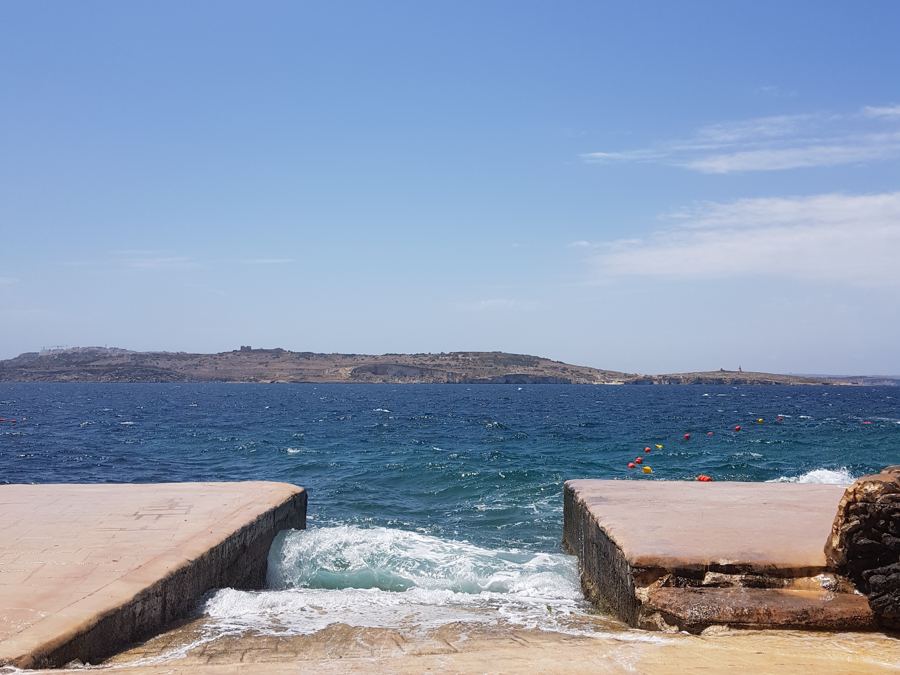
Building and scaling desirability are different gardens
How do you let a brand grow without it becoming a diluted version of itself? It comes down to arbitrage and coherence.

Scaling
What gets a brand to €100 million won’t get it to €500 million
In distributor markets, the question is not “Can I sell it to my distributor for €X?” It is “At what price can the market sustainably buy this product?”

AI and brands
AI is collapsing the consumer journey
AI is a new interface that compresses pricing, positioning, availability and product information into a single answer. How comfortable are we with the answer it would give today?
Pricing
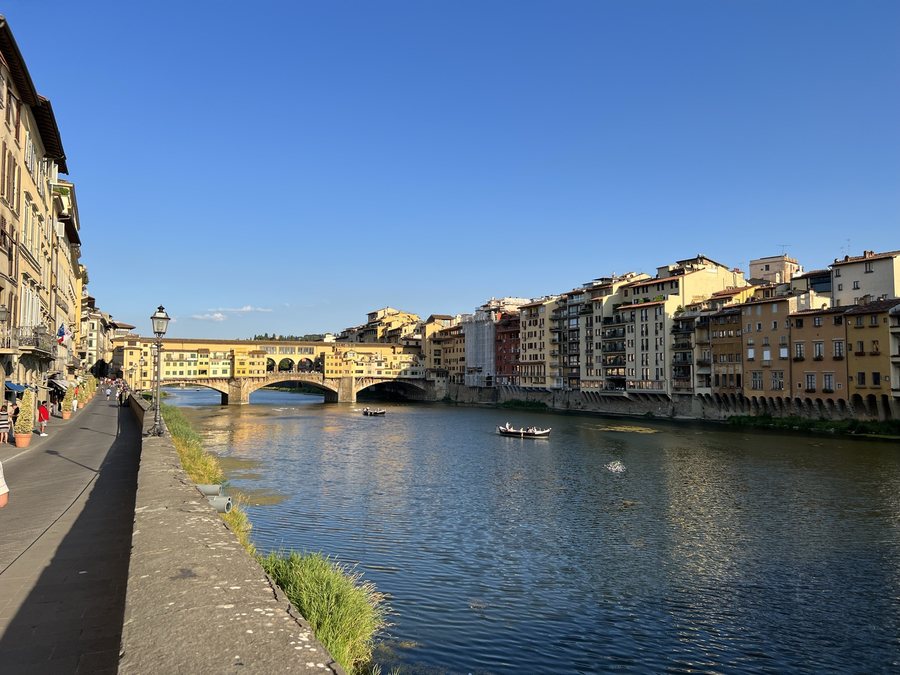
What will AI reveal about your commercial strategy?
How exposed are your products to automated cross-border arbitrage? Which partners create value, and which create opacity?

Brand building
Aperol couldn’t be understood in a sip
In France we were not facing an awareness problem but an adoption one. So we stopped handing out samples and started serving full Aperol Spritzes.

International expansion
1 billion consumers and you still can’t turn a profit. So you go global.
How Chinese brands expand: Southeast Asia first, then the Global South, and finally the West, where access is easy but preference is not.
International expansion
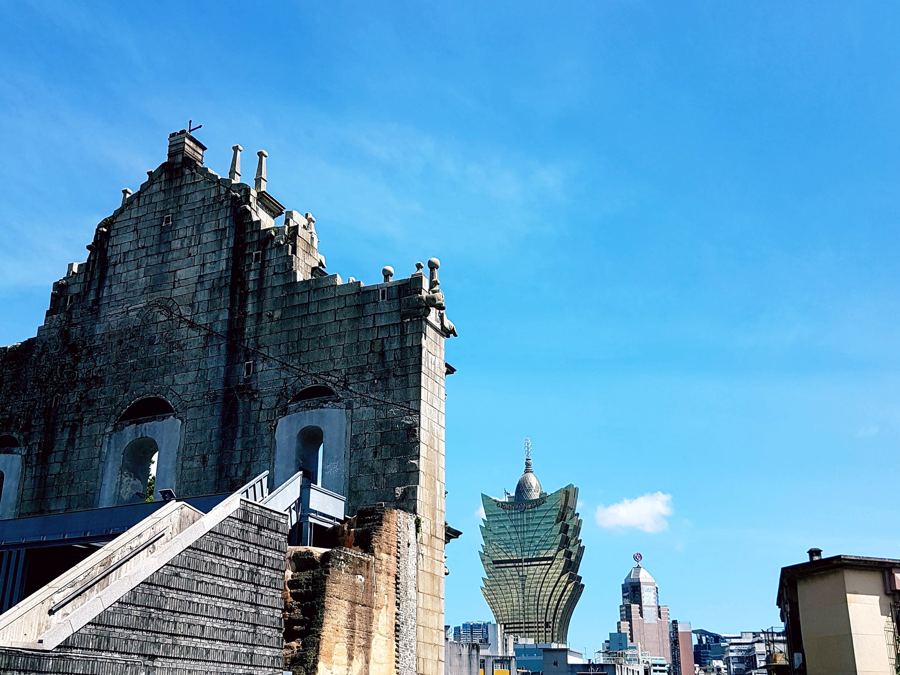
Go West! (There’s no other way)
Where a high-performance strategy in one culture becomes a liability in another: what Chinese brands must adjust to win in the West.
Consumers
Brands used to signal identity. Now they signal stability.
In a persistent polycrisis, loyalty is less about brand love and more about cognitive relief: a product that works every time and removes friction.
07 / Frequently asked questions
Questions that come up again and again.
How do I find the right distributor in a new market?
Before looking for a distributor, it is worth answering two questions: is this the right market, and is the company ready to enter it?
An internal assessment may reveal that the business does not yet have a model strong enough to export. Market analysis may show that the better opportunity lies elsewhere, or that the route to market originally envisioned is not the right one.
Only then does it make sense to look for a partner: start with the consumers and channels you need to reach, identify who already performs well in those channels, and understand what other brands they represent, how they develop them, and what their customers say about them.
Should I use an agent, a distributor, or open my own subsidiary?
It depends on the size of the opportunity, the level of control required over execution, and whether the home-market model is strong enough to replicate abroad.
A distributor allows you to enter faster and with a lighter structure. A subsidiary provides greater control, but requires the company to build its own capabilities in the market.
I worked through that transition at Campari France, and the first question is simple: is there a model worth exporting?
How should I set prices for export markets?
Start with the shelf price the market can sustain and work backward: tariffs, logistics, and importer, distributor, and retailer margins.
Then test whether the economics work for everyone involved and whether the resulting positioning still makes sense against local competition.
If you operate across several countries, you also need to maintain coherence between markets. Price differences travel increasingly faster than products do.
What does a European distributor expect from a brand?
Clear positioning, a realistic plan for the first few years, real support behind the brand—marketing, sampling, training—stable pricing, and someone on the brand side who responds quickly.
Above all, the distributor wants confidence that the rules will not change just as the market begins to work.
How do I prepare a proposal to distribute a European brand in Latin America?
Start by demonstrating that you understand the brand’s positioning and know how to protect it.
A strong proposal covers the market and competitive context, the channels and customers you intend to develop, the price ladder from import to shelf, the team and investment behind the project, and defensible volume assumptions.
Brands receive plenty of proposals promising volume. Far fewer explain how the business will actually be built.
The potential is there, but the results aren’t. Where do I start?
Start by understanding where that potential is being lost: compare sell-in with sell-out, review pricing and discounting, look at the portfolio, and understand what is happening by channel and distributor.
The problem is rarely a single lever. More often, it is a handful of commercial decisions that have stopped working together.
Do you also work with smaller companies, founders, and distributors?
Yes. Small and mid-sized brands and founders who need senior commercial experience before they are ready to build it in-house, and distributors who want to strengthen their brand portfolio or the way they work with brand owners.
What does an engagement look like, and which languages do you work in?
It can be a focused review lasting days or weeks, a defined project with a clear beginning and end, or longer hands-on support when the change needs to be implemented.
I work in Spanish, English, French, and Italian.

Let’s talk about
your project.
A new market. A distributor that is not performing. A pricing issue. A few lines about the situation are enough to start.